Go Vegan
#Love #Compassion #LovingKindness
For Your Health
A lot of studies by scientists, food doctors, etc., have shown that a nutritious Organic Vegan Diet is the best diet for the human race. It is also the only diet recommended, as all other diets cause inflammation and health problems.
Choose the peaceful Organic Vegan Diet.
Peaceful Body, Peaceful Mind, Peaceful Soul.
For the Animals
There’s no reason why anyone in the human race should be violent, cause harm, abuse or kill other sentient (feeling) beings such as animals. A life of blood and lust does not lead to greater living.
Such actions are demonic behaviors and should be avoided.
Repent, reflect and grow for the better. It’s never too late.
For Your Good Karma
We reap what we sow, times 10. Heard that before?
A common saying is that a small mustard seed can become a giant tree, providing unto life around. So too, we are like that seed, that if planted or repotted in a foundation of goodness, we will grow to be wonderful and beautiful people, providing further goodness unto others.
Strive well in developing your Good Karma.
For World Peace
The more of us that practice the Vegan cruelty free lifestyle, along with Love, Compassion & Loving Kindness in our Hearts and Minds, the more peace there will be across the globe. With more peace, this will compel more and more people, and eventually we will all live this way.
With more people living this peaceful way, things such as war, anger and hatred will fade, and we will be very content as a people across the globe.
Not only the globe in fact, but everywhere humans travel to, there too shall we bring the peace.
For the Earth
Growing of Vegan food uses far less resources and energy than in comparison to any other diet.
So Do Happy -
“Live life, be happy. Be content and find Love, Compassion and Loving Kindness in all that you do, say, think and feel.”
So Do Happy -
“Eat pure foods. Go Vegan. Choose Organic.”
How to be a Healthy Organic Vegan
1) Eat to the Seasons
Spring/Summer diet:
Average 70% raw food.
Autumn/Winter diet:
Average 28% raw, 28% semi-raw and 44% cooked.
2) B12
Naturally found in water in the wild - we now often drink treated water, which no longer has the B12 as a result.
B12 is also found in soils, but with eating soil on our veggies, no one is going to do that - as it may contain pathogens along with the B12. So it is mainly from water in which we would normally get our B12, however not in this day and age.
Regardless of diet, carnivore, omnivore, herbivore - all diets need B12 supplementation.
You can get it easily through Nutritional Yeast that has been fortified with B12 (most brands are fortified with B12 - do your own research on the brand). 1.2 tablespoon of it is normally 100% of your daily required intake of B12.
Why B12 is important
Nervous System function & Brain function.
An interesting fact found from Bing AI about Water Lentils and B12:
There is a plant that grows in water and contains bioavailable B12. It’s called Water Lentils, also known as Duckweed.
Researchers at Parabel, a US-based producer of plant protein ingredients, have found that their water lentil crop contains approximately 750 percent of the US recommended daily value of the bioactive forms of Vitamin B12 per 100 grams of dry plant. The bioactive forms of Vitamin B12 present in water lentils include adenosylcobalamin, methylcobalamin, and hydroxocobalamin. These forms of B12 are not commonly found in plants.
This discovery could be a game-changer for the plant-based food community as it allows one to consume bioactive, natural, whole-food plant-sourced B12. In addition to Vitamin B12, the water lentil has been referred to as the world’s most complete food source as a result of the high levels and quality of protein, vitamins, and minerals in the plant. The rapidly growing water lentil crop can double its biomass in a matter of days, which leads to high yields and a scalable option for the plant-based movement.
3) Eat only Organic Vegan Foods
Conventional foods are highly likely to contain toxic pesticides, toxic herbicides, toxic fungicides and toxic insecticides.
Such toxins only cause problems to one’s health.
So eat only Organic Vegan Foods
Movies to Watch
Movies to help you understand why to go Vegan, if not already.
Even if you already are Vegan, you might find these movies interesting and gain some knowledge or insight to help you on your journey.
All the best.
-
Official Website
https://gamechangersmovie.com/
YouTube Link
https://www.youtube.com/channel/UCVxdMam-fljznK6JsMITlYQ
Streaming Availability (Rent or Buy)
https://gamechangersmovie.com/the-film/where-to-watch/
About
Directed by Oscar®-winning documentary filmmaker Louie Psihoyos and executive produced by James Cameron, Arnold Schwarzenegger, Jackie Chan, Lewis Hamilton, Novak Djokovic, and Chris Paul, The Game Changers tells the story of James Wilks — elite Special Forces trainer and The Ultimate Fighter winner — as he travels the world on a quest to uncover the optimal diet for human performance.
Showcasing elite athletes, special ops soldiers, visionary scientists, cultural icons, and everyday heroes, what James discovers permanently changes his understanding of food and his definition of true strength.
-
Warning: Contains graphic and disturbing scenes of factory farming.
-
Available to stream on Netflix
About
In a scientific experiment, identical twins adopt different diets and lifestyles for 8 weeks to see how food impacts the body.
YOUTUBER to Watch
-
For a concise yet powerful introduction to animal agriculture’s hidden realities, look to Joey Carbstrong. An Australian animal rights investigator and filmmaker based in the UK, Joey risks his safety to infiltrate industrial farms and slaughterhouses, exposing the cruelty that lies behind closed doors.
His work has led to major exposés featured on the BBC, ITV, and global news outlets, often resulting in immediate investigations and suspensions of abusive facilities. While his feature-length documentary Pignorant offers a deep dive into the UK pig farming industry, Joey also produces numerous short-form undercover videos on his YouTube channel. These bite-sized investigations provide a "slimline" yet impactful way to witness the truth without committing to a full-length film.
Joey’s message is clear: veganism is a moral imperative. He challenges the complacency of a society that claims to love animals while consuming them, urging everyone to move beyond passive sympathy and take action.
Watch his investigations and join the movement:
YouTube: Joey Carbstrong (Best for short, impactful undercover clips)
https://www.youtube.com/@JoeyCarbstrongDocumentary: Pignorant (For a comprehensive deep dive)
https://pignorantfilm.com
FAQ
What about plants? Don’t they have feelings?
Plants are not animals. The word sentient means feelings.
Scientists have not found any brain or central nervous system in plants. Plants can respond to stimuli, however brains or a central nervous system is usually required to feel pain the way animals do.
Our teeth are designed to chew plant foods. If you disagree and don't want to hurt plants as well, then there are people who will eat fruit only. However, this can be quite a challenge in ensuring a broad and balanced range of required nutrients, and so I don’t recommend it. The only time that it might be beneficial, is when doing a properly planned detox for a certain short amount of time (no more than about 3 months).
The best thing I think, is a: Healthy, Nutritionally Balanced, Organic. Gluten Free, Vegan Diet.
Disclaimer: The information provided on this page is based on my personal opinion and should not be construed as medical advice. It is not intended to replace professional medical advice, diagnosis, or treatment. Always seek the advice of your healthcare provider with any questions you may have regarding a medical condition or dietary changes. Never disregard professional medical advice or delay in seeking it because of something you have read here. I am not a healthcare professional, and while I strive to provide accurate and up-to-date information, no guarantee is made to that effect. Any application of the material provided is at the reader’s discretion and is their sole responsibility.
Notable Historical Figures Who Understood that Compassion Must Extend to All Living Beings
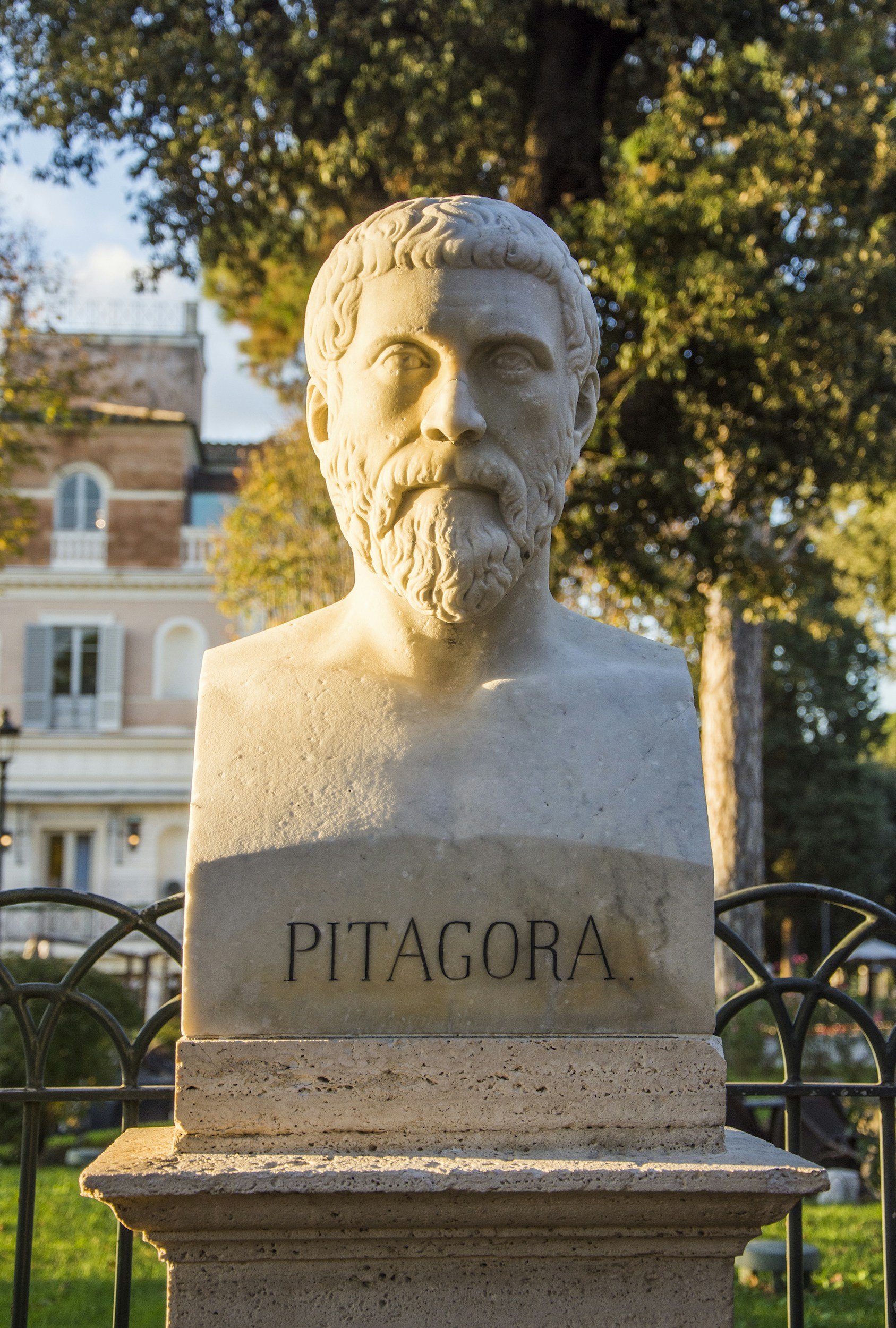
Pythagoras
Pythagoras wrote nothing himself; his views are recorded by later Roman poets and biographers who had access to earlier Greek texts.
Vegetarian Status: Strict vegetarian (the diet was known as "Pythagorean" until the 19th century).
Key Quote: "Forbear, O mortals, to spoil your bodies with such impious food! ... Meat is for beasts to feed on, yet not all... but those whose disposition is fierce and cruel... delight in bloody feasting."
Source: Ovid, Metamorphoses, Book XV (lines 75–142). This is the most famous poetic rendering of Pythagoras's speech.
On War and Peace: "Amongst other reasons, Pythagoras enjoined abstinence from the flesh of animals, because it is conducive to peace; for those who are accustomed to abominate the slaughter of other animals... will think it still more unjust and unlawful to kill a man or to engage in war."
Source: Iamblichus, Life of Pythagoras, Chapter 22 (translated by Thomas Taylor).
Dietary Details: He ate honey, bread, and vegetables, rarely eating fish or sacrificial meat.
Source: Diogenes Laertius, Lives and Opinions of Eminent Philosophers, Book VIII.

Leonardo da Vinci
Statement Da Vinci never explicitly wrote “I am a vegetarian” in his notebooks. The evidence for his diet and attitudes toward animals comes from contemporary accounts and from his own reflections on cruelty.
Vegetarian Status Inference: Strongly inferred by contemporaries; Leonardo likely avoided meat out of compassion for animals.
Notable Evidence
Contemporary account: Andrea Corsali, in a letter to Giuliano de’ Medici (1516), describes a Hindu group (Gujarati) who do not eat anything containing blood or harm any living creature, and adds “…like our Leonardo da Vinci.”
Source: The Literary Works of Leonardo da Vinci, compiled by Jean Paul Richter (1883), Vol. 2, p. 367.Biographical testimony: Giorgio Vasari reports that Leonardo would buy caged birds simply to set them free, an anecdote often cited as evidence of his compassion for animals.
Leonardo’s own manuscript passage: In his anatomical notebooks Leonardo criticizes humanity’s claim to be “king of the animals,” writing that humans have made the stomach a “sepulchre for all animals.”
Source: Quaderni d’Anatomia II, folio 14r, Royal Library, Windsor (Leonardo’s own manuscript).
Leonardo’s Own Writings on Cruelty Leonardo’s notebooks (including the Codex Atlanticus and other manuscript collections) contain reflections that condemn certain practices of animal killing:
He lamented the destruction of bees for wax.
He criticized the killing of pregnant fish for roe.
These passages provide direct insight into Leonardo’s ethical concerns about animals and support the inference that he likely avoided eating meat.
Citation lines for readers
Andrea Corsali, letter to Giuliano de’ Medici, 1516; cited in Jean Paul Richter, The Literary Works of Leonardo da Vinci, Vol. 2, p. 367 (1883).
Giorgio Vasari, Lives of the Artists (1550).
Leonardo da Vinci, Quaderni d’Anatomia II, folio 14r, Royal Library, Windsor.
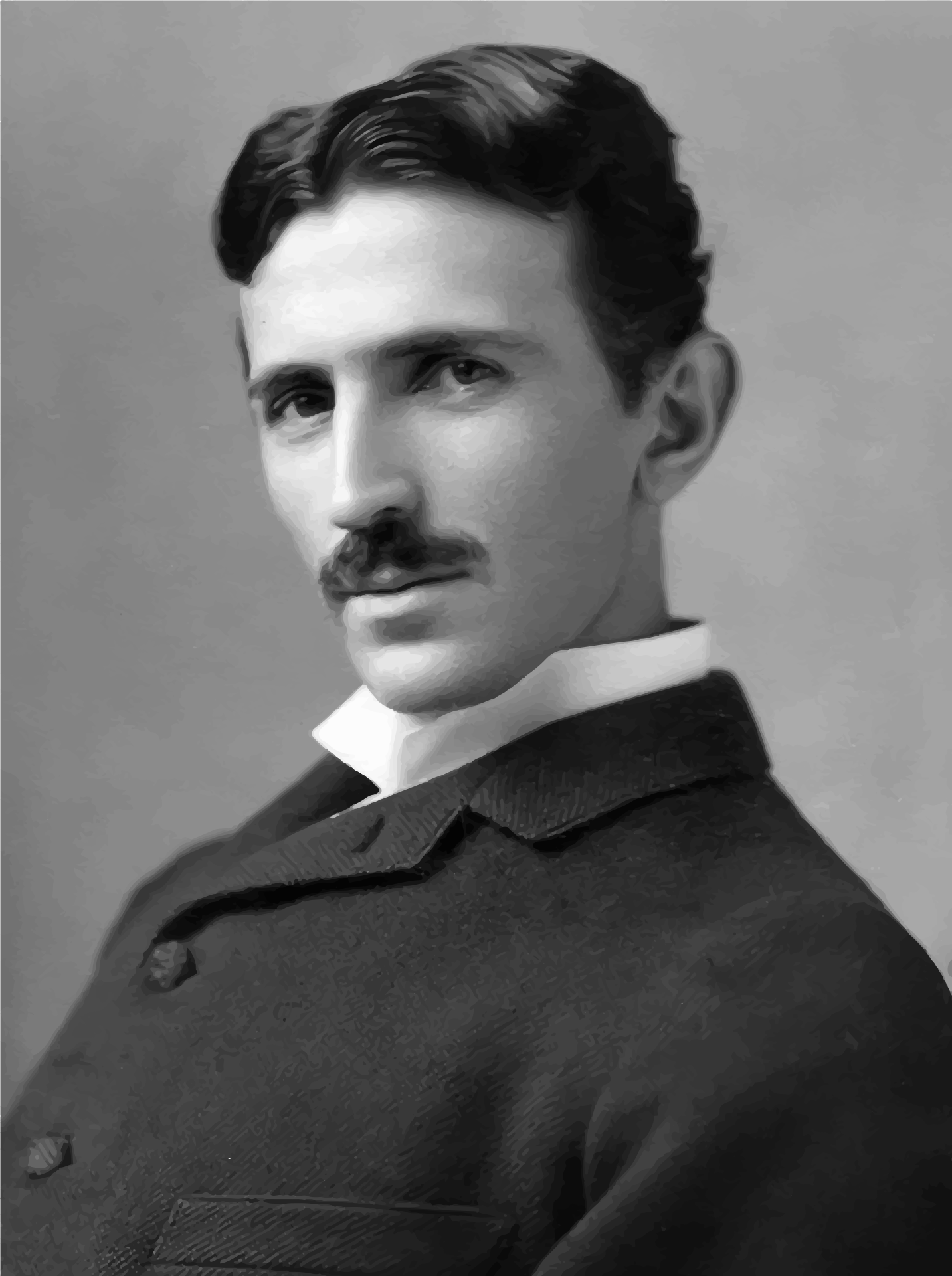
Nikola Tesla
Tesla’s views are documented in newspaper interviews from the 1920s and 1930s.
Vegetarian Status: Strict vegetarian in later life (after age 70), consuming mostly milk, honey, and vegetables.
Key Quote: "It is certainly preferable to raise vegetables, and I think, therefore, that vegetarianism is a commendable departure from the established barbarous habit."
Source: Interview, New York American, July 6, 1930 (also cited in Tesla: Man Out of Time by Margaret Cheney).
On Health: "I eat meat only at rare intervals, possibly only once or twice a year... It is rich in proteins but also in uric acid."
Source: Interview with Pierre Vachet, published in Paris-Midi (reprinted in various US papers, Feb 1935).
On Future Diet: "Every effort should be made to stop the wanton and cruel slaughter of animals, which must be destructive to our morals."
Source: New York Times, July 11, 1936.
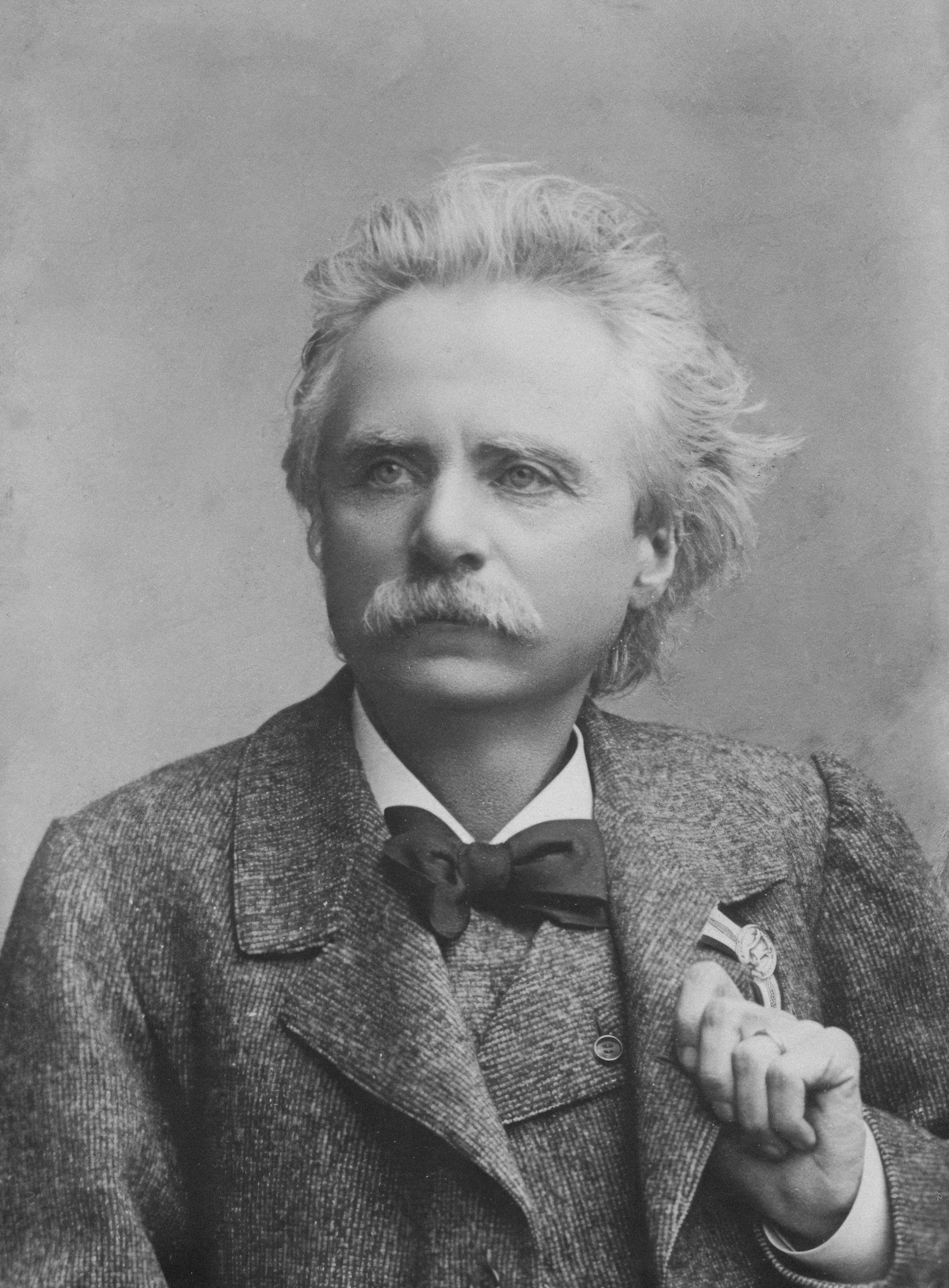
Albert Einstein
Einstein’s views are well-documented in his personal correspondence archived at the Hebrew University of Jerusalem.
Vegetarian Status: He adopted a strict vegetarian diet only in the last year of his life (1954–1955), though he advocated for it for decades prior.
Key Quote: "Nothing will benefit human health and increase the chances for survival of life on Earth as much as the evolution to a vegetarian diet."
Source: Attributed in The New Quotable Einstein, edited by Alice Calaprice (Princeton University Press, 2005), based on Einstein Archive documents.
Ethical Statement: "Although I have been prevented by outward circumstances from observing a strictly vegetarian diet, I have long been an adherent to the cause in principle. Besides agreeing with the aims of vegetarianism for aesthetic and moral reasons, it is my view that a vegetarian manner of living by its purely physical effect on the human temperament would most beneficially influence the lot of mankind."
Source: Letter to Hermann Huth, December 27, 1930 (Einstein Archive 46-756).
On Guilt: "I have always eaten animal flesh with a somewhat guilty conscience."
Source: Letter to Hans Muehsam, August 1953 (Einstein Archive 60-058).

Isaac Newton
Newton’s vegetarianism is less definitive than the others. Evidence suggests he was an omnivore who adopted a plant-based diet only in extreme old age or during intense work periods.
Vegetarian Status: Likely vegetarian only in the last 5 years of his life (1722–1727) due to frailty, or temporarily during the writing of Opticks.
Key Evidence: His niece, Catherine Barton, reported he was reluctant to eat meat in later life.
Source: Cited by Patricia Fara, Newton: The Making of Genius (2002).
On Animal Suffering: "He yielded but only with repugnance to the barbarous custom of supporting ourselves upon the blood and flesh of beings like ourselves... and he never permitted in his own house the putting them to death by slow and exquisite modes of killing."
Source: Voltaire, Elements of the Philosophy of Newton (1741), Chapter 5. Voltaire knew Newton personally and attended his funeral.
Work Diet: "While writing his treatise on Optics, it is said he confined himself entirely to bread, with a little sack and water."
Source: William A. Alcott, Vegetable Diet: As Sanctioned by Medical Men (1869), citing earlier biographers.

Socrates
Socrates wrote nothing; his views are presented by his student Plato in the dialogue The Republic.
Vegetarian Status: In Plato’s Republic, Socrates describes a "true" and "healthy" city where citizens eat only plants. He contrasts this with a "fevered" city that requires meat, which leads to war and injustice.
Key Argument: Socrates argues that a meat-eating society will inevitably require more land for grazing, leading to conflict: "If we pursue our habit of eating animals... will we not have need to go to war against our neighbor to secure greater pasturage?"
Source: Plato, The Republic, Book II, 372b–373e.
Note on Specific Quotes: The quote "Would this habit of eating animals not require that we slaughter animals that we knew as individuals..." is a modern paraphrase often found in vegetarian literature (e.g., by Lewis Campbell or modern activists) summarizing the sentiment of Republic 372d, but it is not a direct literal translation from the ancient Greek text. The core argument about meat leading to war and injustice is authentic to the text.
Quick Tips:
1) Choose higher-nutrient grains
Have Brown Rice and Red Quinoa (both have more nutrients than compared to white rice and white quinoa.
2) Eat plenty of sprouted legumes
Ensure you have plenty of sprouted legumes in your diet (after they’re sprouted, you can have them raw or slightly heat them up in water by emptying the water out when you see small bubbles forming in the water, that is, well before the water would boil).
3) Lightly cook vegetables (keep them crisp)
With your vegetables, instead of cooking them completely, lightly steam them, so they’re still crunchy and almost raw, to maximise the nutrition and other goodness
4) Include salad greens daily
Have Salad or Spinach every day.
5) take a b12 supplement
Option 1: Nutritional Yeast
Consume B12-fortified nutritional yeast daily by sprinkling 1.2 heaped tablespoons over a single meal. There is no risk of overdose, as any excess B12 is safely excreted by the body.
Option 2: Sublingual Tablet
If you prefer not to use nutritional yeast—whether to avoid its folate content, dislike the taste, or for any other reason—simply take a sublingual methylcobalamin tablet. Let it dissolve under your tongue for direct absorption.
The Universal Need for B12:
"Vitamin B12 is essential for nerve health and DNA synthesis, yet it is not inherently found in plants or meat—it is produced by bacteria. Historically, humans obtained B12 from bacteria on unwashed produce or in contaminated water. Today, modern sanitation practices wash these beneficial bacteria off our fruits and vegetables, while livestock are routinely supplemented with B12 directly rather than obtaining it naturally.
Consequently, the argument that a meat-based diet provides 'natural' B12 is misleading; omnivores are essentially consuming B12 second-hand through fortified feed. Whether you eat plants or animals, the original natural sources have been removed from the food chain. Therefore, supplementation is a pragmatic necessity for everyone in the modern world, not just a 'vegan issue.' Taking a direct supplement is simply the most efficient and ethical way to ensure adequate levels
6) Prioritise fresh produce
Have plenty of fresh fruit and veggies.
7) Use herbs
Use herbs, they’re very medicinal.
8) use organically grown ingredients
Choose organically grown ingredients to protect your own health. If you can’t be sure of the growing process, buy Certified Organic ingredients.
Conventional produce is frequently laden with synthetic pesticides, insecticides, herbicides, and fungicides that washing often cannot fully remove. Many of these chemicals are systemic, meaning they are absorbed into the plant's tissue and cannot be washed off, while others bind tightly to waxy surfaces.
Consuming these residues poses direct risks to you:
Chronic Disease: Long-term exposure is linked to serious health issues, including certain cancers (such as non-Hodgkin lymphoma), neurological disorders (like Parkinson’s and Alzheimer’s), and hormone disruption.
Vulnerable Systems: These toxins can impair reproductive health, weaken the immune system, and interfere with fetal development during pregnancy.
Cumulative Toxicity: Pesticides accumulate in the body over time, increasing the burden on your liver and kidneys.
Studies show that people who regularly eat organic food have significantly lower levels of pesticide residues in their bodies and a reduced risk of developing chronic conditions. By choosing organic, you are not just avoiding toxins; you are actively investing in your long-term well-being and reducing your personal exposure to harmful chemicals.
9) Choose sweeteners thoughtfully
For sweeteners consider Organic Maple Syrup and Organic Coconut Sugar.
10) Stop canned legumes; sprout fresh
Stop using canned legumes - sprout them fresh (and if short on time, and you can’t wait the days required to sprout them, at least make sure you soak them for 8-12 hours before cooking with them, to reduce the phytic acid).
11) Use an Instant Pot for faster, cleaner cooking and better nutrient retention
Prefer to have properly cooked legumes after soaking, and want to retain more nutrients through the cooking process? I recommend getting an Instant Pot Multi-cooker (the Instant Pot Duo is very affordable, and of high quality, and is what I use myself. Any multi-cooker will do, however the Instant Pot was the only one I found that used a stainless steel inner pot, and contained no non-stick coating layer (non-stick coatings are something I prefer to avoid)).
The Instant Pot typically retains about 90-95% of nutrients when cooking legumes, whereas the traditional stove top and saucepan method typically only retains about 65-78%. Not just that, but with the Instant Pot, I don’t have to worry about it boiling over, like I do with a stovetop. The cooking time is slightly faster for some things, and much faster for other things.
12) Add wheat/barley grass for an extra boost
Want an extra boost? Grow your own wheat or barley grass, and then juice it or chew on a little bit of it to extract the juice only out of it.